
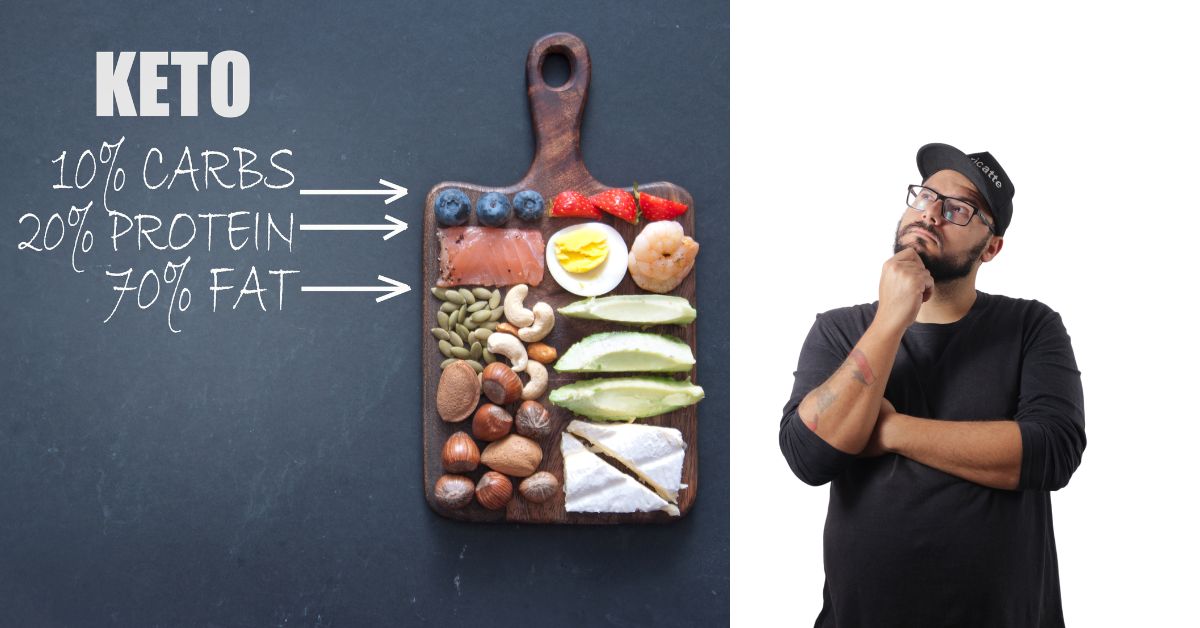
If you’re considering the ketogenic diet, it’s important to arm yourself with key information before diving in. Understanding what you’re getting into helps you make informed choices and paves the way for success. Here’s what you need to get started.
The keto diet isn’t just about weight loss. It’s a lifestyle change that requires dedication and an understanding of how your body reacts to different foods. Willpower alone isn’t enough; education is crucial. Start by distinguishing ketosis from ketoacidosis, two very different metabolic states. Ketosis is the goal of the keto diet, where your body burns fat for energy. Ketoacidosis, on the other hand, is a serious condition often associated with diabetes.
Panic about drastically reducing your carb intake is common, but don’t worry too much. Gradually reducing carbohydrates can ease the transition. Begin by eliminating obvious carb-heavy foods like bread and pasta, then slowly address more hidden carb sources.
Remember that every beginning is a learning process. Your first foray into keto doesn’t have to be flawless. Choose whole, unprocessed foods like meats, low-carb vegetables, and healthy fats to start. Avoid getting trapped in the details and focus on the big picture.
Hydration and electrolyte balance are vital. As your body adapts, it’ll shed more water than usual, taking important minerals with it. Ensuring proper hydration and supplementing with electrolytes can prevent some of the initial discomfort associated with starting keto.
Finally, remember that this is just the first step. In the following section, ‘Introduction to the Ketogenic Diet: A Beginner’s Primer’, you’re going to find out about the nuts and bolts of the keto process, how it evolved, and what it’s become today—an important part of setting a strong foundation for your keto journey.
Introduction to the Ketogenic Diet: A Beginner’s Primer
So, what exactly is a ketogenic diet? In essence, it involves drastically reducing carbohydrate intake and replacing it with fat. This dietary shift puts your body into a metabolic state called ketosis. When this happens, your body becomes incredibly efficient at burning fat for energy.
Now, before you jump in, let’s take a brief look back at where the keto diet came from. It was actually developed in the 1920s for an entirely different purpose than weight loss. Doctors used it to treat children with epilepsy, and it was quite effective. But it’s not just a historical footnote. Today, research continues on the keto diet’s potential benefits for various health conditions.
Today’s popularity of the keto diet has surged due to its reputation for rapid weight large part due to its reputation for rapid weight apid weight loss and potential health enhancements. It’s worth noting, though, that while some praise the diet for these benefits, it’s essential to approach it informed and considerate of your health. Not all diets are fit for everyone, and that’s perfectly okay.
I’m going to share with you how the ketogenic diet typically involves high-fat foods like meats, fish, nuts, and cheeses. You’ll be avoiding foods high in carbs, such as bread, pasta, rice, and sugary snacks — this means your body will have to turn to fat instead of glucose for its main energy source.
All set on what keto is and where it comes from? Great, because next, we’re going to delve into the tools you’ll need to face common challenges head-on and keep your keto journey on track. This isn’t just about losing weight – it’s also about maintaining your health and well-being throughout the process.
Navigating Challenges and Maintaining Your Keto Journey
Jumping into the keto lifestyle can be thrilling, but it’s not without its hurdles. The road might get bumpy, especially when socializing or dining at restaurants. You might feel like you’re navigating a minefield, dodging carb-loaded temptations at every turn. But don’t sweat it; I’ve got your back. Start by scoping out menus in advance and don’t shy away from customizing your orders – hold the bun, pile on the greens!
Tracking your progress is crucial. Whether it’s through a journal, app, or just a mental note, keeping tabs on your daily intake of carbs, fats, and proteins will help you stay accountable. And if you ever feel stuck, it’s okay to reassess and tweak your plan. Flexibility will keep your journey sustainable.
You might bump into the infamous ‘keto flu’, a collection of symptoms that can feel like a setback. But this is just your body adapting to burning fat for fuel instead of carbs. Stay hydrated, get enough electrolytes, and give your body time to adjust. If symptoms persist, it’s important to consult a healthcare professional – remember, safety first.
Finally, think about the long haul. Keto can be a fantastic starting point for a healthier lifestyle, but it doesn’t have to be a lifelong commitment. Many people transition to a less restrictive, low-carb diet after reaching their goals. The most important thing is to choose a diet that resonates with you, provides the nutrition you need, and is sustainable in the long term.
Remember, your first attempt doesn’t need to be your last. Make adjustments as necessary, and always prioritize your health and well-being above all. As you continue on your keto journey, know that you’re empowering yourself with every choice you make.